Backlinks are often referred to as the currency of the internet. They determine how valuable, credible, and relevant your website appears to search engines like Google. Yet, despite being one of the most important ranking factors, backlinks are also among the most misunderstood aspects of SEO.
Let’s decode what backlinks really are, why they matter, and how they influence your online visibility.
What Exactly Are Backlinks?
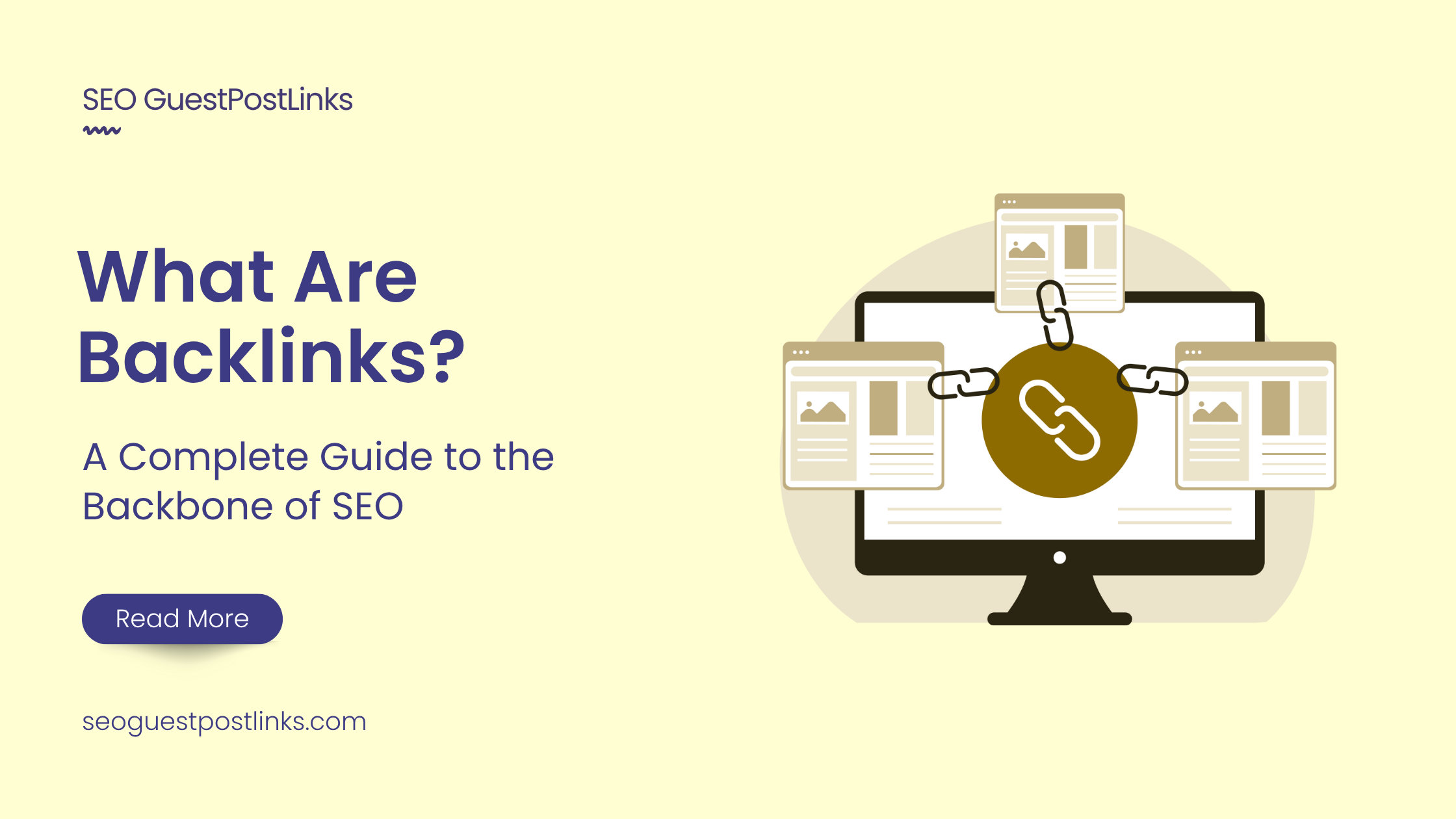
A backlink is simply a link from one website to another.
When another website links to yours, it’s as if they’re giving your content a vote of confidence. In SEO terms, backlinks are also called inbound links or incoming links because they direct users (and search engines) toward your site.
Think of backlinks as recommendations. The more high-quality recommendations your website has, the more likely Google is to trust you — and the higher your site can rank in search results.
How Backlinks Work (and Why They Matter)
Search engines like Google use complex algorithms to determine which web pages deserve to rank higher for specific keywords. Backlinks serve as one of the key signals in that process.
Here’s how it works:
- Crawling and discovery: Search engine bots crawl billions of web pages daily. When they find a link pointing to your site, they follow it — discovering and indexing your content.
- Authority transfer: Each backlink acts as a digital endorsement. When a trusted site links to yours, some of its authority or ranking power (known as “link juice”) passes to your site.
- Relevance signal: The context of the link also matters. If a backlink comes from a site relevant to your industry or topic, it sends a strong signal that your content is valuable in that niche.
In short: more quality backlinks = more trust = higher rankings.
Types of Backlinks (and Why Some Matter More Than Others)
Not all backlinks are equal. The value of a backlink depends on where it comes from, how it’s structured, and whether it’s earned naturally. Let’s break down the main types.
1. Dofollow Backlinks
These are the most valuable backlinks in SEO.
A dofollow link allows search engines to pass authority or link juice from one site to another. Most editorial links — like those in blogs, media articles, or guest posts — are dofollow by default.
Example:
<a href=”https://www.seoguestpostlinks.com”>guest posting services</a>
2. Nofollow Backlinks
A nofollow backlink tells search engines not to pass authority. It’s still clickable and can bring traffic, but it doesn’t directly impact rankings.
Example:
<a href=”https://www.seoguestpostlinks.com” rel=”nofollow”>guest posting services</a>
Google introduced the nofollow tag to prevent spammy link-building practices. While nofollow links don’t transfer link juice, they still help in diversifying your backlink profile and improving brand visibility.
3. Sponsored or Paid Links
These links come from paid collaborations, sponsored posts, or advertisements. They must include attributes like rel=”sponsored” to indicate a paid relationship. While these can bring traffic and exposure, they don’t transfer SEO value unless handled properly.
4. UGC (User-Generated Content) Links
These come from forums, blog comments, or community posts. They are tagged as rel=”ugc” to identify them as user-generated. While not very powerful, they can still drive referral traffic.
5. High-Authority Backlinks
Backlinks from reputable sites such as Forbes, TechCrunch, or HubSpot carry significant weight. These links can dramatically boost your site’s domain authority.
6. Low-Quality or Toxic Backlinks
Links from spammy or irrelevant sites can harm your rankings. Google’s algorithms (especially Penguin) can penalize sites with manipulative or unnatural link profiles.

Why Backlinks Are So Important for SEO
Let’s explore the reasons why backlinks are considered one of the most crucial SEO ranking factors.
1. They Build Website Authority
When authoritative sites link to yours, Google interprets it as a sign of trust. Over time, this improves your Domain Authority (DA) or Domain Rating (DR), increasing your chances of ranking higher for competitive keywords.
2. They Improve Organic Rankings
Backlinks act as votes of confidence. The more quality votes you earn, the more likely your content will appear at the top of search results.
3. They Drive Referral Traffic
A well-placed backlink on a high-traffic website can bring targeted visitors directly to your page. This kind of referral traffic often has a higher conversion potential since the audience is already interested in your niche.
4. They Help Search Engines Discover Your Site Faster
Backlinks act like digital pathways for search engines. When other websites link to your new page, crawlers find it faster, ensuring quicker indexing and visibility.
5. They Build Brand Credibility
Being mentioned or cited by reputable sources increases your brand’s credibility. It signals that your business is a trusted voice in the industry.
How to Earn High-Quality Backlinks
Getting backlinks isn’t about quantity — it’s about quality and relevance.
Here are some proven strategies to earn valuable backlinks ethically and effectively.
1. Guest Posting
Guest posting remains one of the most effective and legitimate ways to earn backlinks. By contributing valuable content to authority websites, you gain exposure and a contextual backlink to your site.
(Tip: At SEO GuestPostLinks, we specialize in getting dofollow backlinks on real, traffic-driven websites.)
2. Create Linkable Assets
Publish original research, data studies, infographics, or comprehensive guides. Content that provides unique value naturally attracts backlinks from bloggers and journalists.
3. Broken Link Building
Find broken or outdated links on relevant websites and offer your own content as a replacement. It’s a win-win: the site owner fixes a broken link, and you earn a backlink.
4. Digital PR and Outreach
Reach out to journalists, bloggers, and influencers in your industry. Offer expert insights, unique data, or helpful quotes that can be featured in their articles with a link back to your site.
5. Resource Page Links
Many websites maintain resource pages that list helpful links. If your content fits, you can request inclusion.
6. Social Proof and Brand Mentions
When your brand gains recognition, people naturally start mentioning it online. Convert unlinked mentions into backlinks by reaching out to the website owners politely.
Measuring the Quality of a Backlink
Not all backlinks contribute equally to SEO. Here’s what defines a high-quality backlink:
- Relevance – The linking site should be topically related to your content.
- Authority – Links from websites with higher DA/DR carry more SEO power.
- Anchor Text – The clickable text of the link should naturally fit your content, not be keyword-stuffed.
- Traffic Potential – Links from sites that actually attract readers are far more valuable than links from inactive domains.
- Link Placement – A backlink placed naturally within content (contextual link) is more powerful than one buried in the footer or sidebar.
Common Myths About Backlinks
- “The more backlinks, the better.”
Not true. Ten backlinks from trusted, relevant sites are worth more than a hundred from random directories. - “Nofollow links are useless.”
Wrong. While they don’t transfer authority, they still drive traffic and diversify your link profile — which looks natural to Google. - “Buying backlinks guarantees rankings.”
Paid links can be risky if not handled ethically. Focus on building relationships and earning backlinks organically.
Final Thoughts
Backlinks are not just digital connections — they are signals of trust, authority, and value. They help your website gain visibility, drive traffic, and build credibility in your niche.
However, it’s not about chasing every possible link. The real power of backlinks lies in earning them through quality content, authentic outreach, and a consistent SEO strategy.
If you want your website to rank higher, gain visibility, and earn the trust of search engines, start by building a clean, high-quality backlink profile.
Because at the end of the day — in the SEO world — your reputation is only as strong as the sites that vouch for you.
FAQs
1. What is a backlink with example?
A backlink is a link from one website to another. For example, if Forbes.com links to your site in an article, that’s a backlink to your website.
2. What is a backlink in SEO?
In SEO, a backlink acts as a “vote of trust” from another website. Search engines use these links to measure your site’s authority and relevance, which directly impacts your ranking.
3. How do I get an SEO backlink?
You can earn backlinks by writing guest posts, publishing unique research, creating shareable content, or reaching out to websites for collaborations and mentions.
4. What are the three types of backlinks?
The main types are:
- Dofollow backlinks (pass authority and improve rankings)
- Nofollow backlinks (don’t pass authority but help with traffic)
- Sponsored backlinks (paid or promotional links marked with rel=”sponsored”)
5. How do beginners get backlinks?
Beginners can start by guest posting on niche blogs, sharing content on forums or social media, listing their site in quality directories, and networking with bloggers for collaborations.